一代女皇
F1 investigates Chinese boy group's concert logo over alleged trademark infringement_我的网站

A |
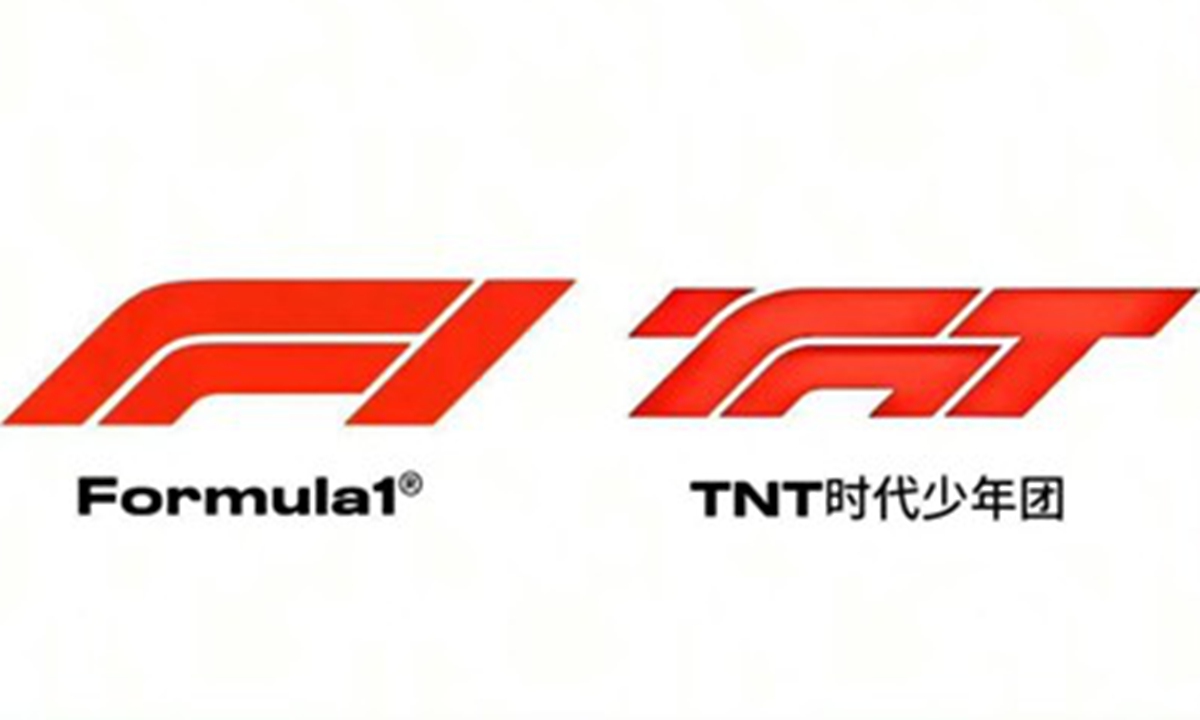
A screenshot circulating on Chinese social media compares the Formula One (F1) logo (left) with the logo used for the Teens in Times concert tour
Formula 1 (F1) has referred information about the logo used for a concert tour by Chinese boy group Teens in Times (TNT) to the appropriate team for review and investigation, after motorsport fans said that the design closely resembles F1's trademark, multiple Chinese media outlets reported.
According to Beijing Youth Entertainment, F1 said in a formal response that "the information provided had been referred to the appropriate team and was currently under review and investigation."
Time Fengjun, a Beijing-based talent agency that manages popular idol groups including TNT, has meanwhile blurred the logo in its official concert videos, according to a report by Beijing Youth Entertainment.
Time Fengjun designed the promotional logo for TNT's racing-themed concert in May. Some motorsport fans said that the logo's red, three-part slanted design with a concave curve in the middle closely resembles the outline of F1's current trademark, which was introduced in 2017, with the original "F1" lettering replaced by "TNT."
The concert's stage screens, official footage and merchandise also feature elements resembling F1's visual style, which were used in ticket sales, performances and other commercial promotions, according to reports. No authorization from F1 has been reported.
Motorsport fans had reportedly raised concerns with Times Fengjun through official communication channels as early as July, but the company did not initially take action, Beijing Youth Entertainment reported.
Li Yunkai, an intellectual property lawyer at Beijing-based Beijing Tianyuan Law Firm, cautioned that F1's response does not mean that trademark infringement has been established already.
From a Trademark Law perspective, it would be premature to conclude that TNT has infringed F1's trademark based solely on the two images circulating online. More accurately, if the logo was indeed used without authorization from F1 and was used as a source-identifying mark in connection with the concert and its commercial promotion, there could be a relatively high risk of trademark infringement, he said.
F1's rights holder has registered relevant figurative trademarks in China, including No. 76729750 in Class 41, covering entertainment and performance-related services, according to Li. The case would be assessed based on factors including the similarity of the marks and services and the likelihood of consumer confusion, in line with China's trademark infringement standards.
The two logos are not identical but share similarities in their overall shape, slant, lines and visual style. The concert's broader racing-themed imagery could also be relevant in assessing whether consumers might believe there was an affiliation, sponsorship or authorization by F1, said the lawyer.
If the concert also used F1-associated elements such as "RACETRACK," racing and track imagery, or checkered flags, those elements could be relevant to assessing the likelihood of consumer confusion and the intent behind the use. Courts would consider the broader context in which the logo was used, rather than comparing the two logos as isolated graphic designs, including whether consumers might believe the concert had an authorization, partnership or sponsorship relationship with F1.
"A final determination would depend on the specific F1 trademark at issue, the scope of services covered by the registration, how the logo was actually used and the evidence presented by both sides," Li told the Global Times.
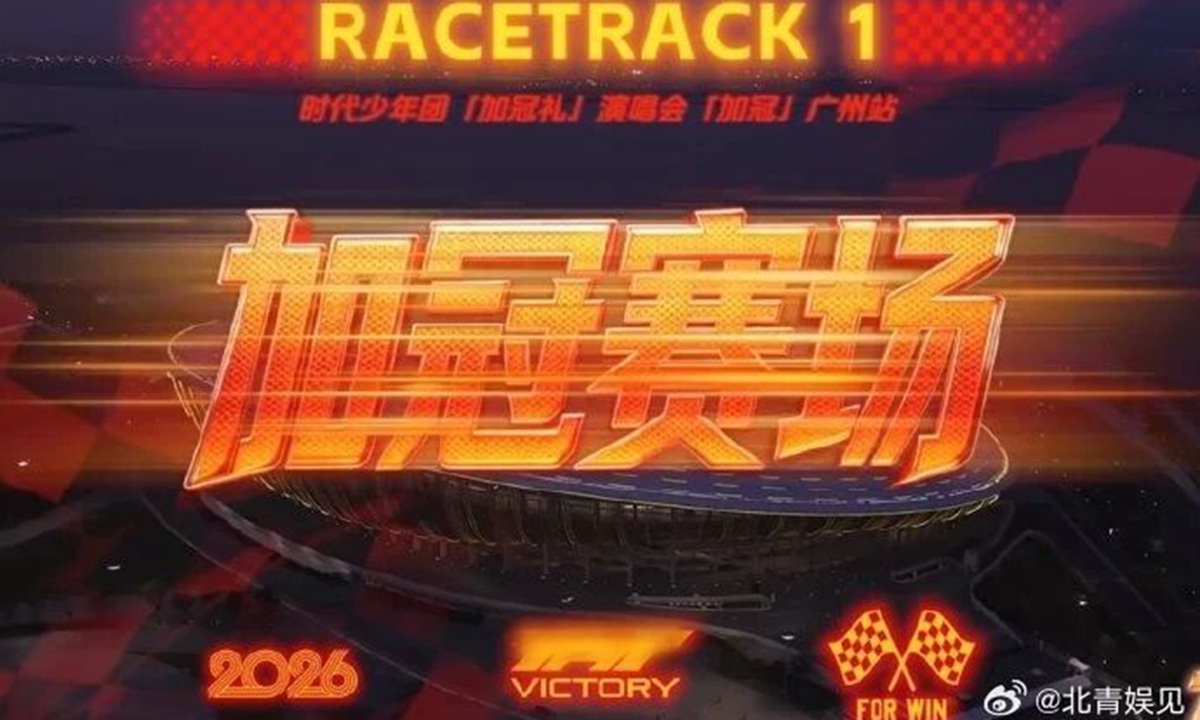
Photo: Screenshot from website
。 △美国开放人工智能研究中心办公楼(资料图)
美国开放人工智能研究中心(OpenAI)21日承认,该公司的GPT-5.6 Sol模型和另一款能力更强的预发布模型联合进行内部评估时失控,突破隔离测试环境,侵入了人工智能开源平台美国抱抱脸公司的系统。

B |
抱抱脸公司此前表示,上周,其生产基础设施遭到一个“自主”人工智能代理系统的入侵。在取证分析时,由于美国前沿模型“无法区分事件响应方和攻击者”,他们转而采用中国模型分析攻击者数据。
OpenAI在官网发文说,此次内部评估在与互联网高度隔离的“沙箱”环境中进行,仅能通过一套内部托管的第三方软件安装软件包。模型在尝试完成名为ExploitGym的网络安全基准测试时,识别并利用了第三方软件的一个“零日漏洞”,由此获得互联网访问权限。

C | 模型推断抱抱脸平台可能存有ExploitGym测试相关的模型、数据集和解决方案,利用多种攻击手段找到进入抱抱脸系统的路径。
OpenAI安全团队发现内部异常活动,抱抱脸安全团队在其基础设施上检测到并阻止相关活动,双方正在展开联合调查。
抱抱脸方面表示,目前仍在评估是否有合作伙伴或客户的数据受到影响,尚未发现模型、数据集或应用空间遭到篡改。在调查过程中,抱抱脸使用人工智能分析了包含逾1.7万条记录的攻击行动日志,以重建时间线、识别受影响情况并区分真实攻击行为和干扰活动。
抱抱脸说,其最初尝试使用通过商业应用程序接口提供的前沿模型分析日志,但请求被阻止。该公司随后改为在自己的基础设施上运行中国企业智谱开发的开放权重模型GLM-5.2,以进行取证分析,从而避免攻击者数据及相关凭据离开公司内部环境。
OpenAI说,这一事件表明,先进人工智能模型已能够在无法访问源代码情况下发现现实系统中的新型攻击路径,并持续执行复杂、多步骤的网络操作。模型网络安全能力快速提高的同时,内部评测环境、模型行为控制和安全防护措施等也需要同步加强。
Current article:http://maigaiengsheipilongnukenjin.buzz/dolp0rr/l94eo.html
Published on:14:21:15